I've always been fascinated by miniatures. The detail, the artistry – it's incredible. But printing them myself? That's been a journey. I’ve spent countless hours tweaking settings, trying different filaments, and generally wrestling with my FDM printer. Recently, I've made some real breakthroughs, and I'm excited to share them.
When I first started, my prints were… rough. Layer lines were prominent, stringing was everywhere, and the finer details were often lost. It was frustrating. I knew the potential was there, but I couldn’t quite unlock it. I tried all the usual advice: adjusting temperature, retraction settings, print speed. Some things helped a little, but nothing gave me the results I craved.
I decided to take a more systematic approach. Instead of randomly tweaking settings, I focused on isolating individual parameters and testing their effects. This involved printing a lot of calibration cubes and small, detailed models. It was time-consuming, but it paid off. I realized that small changes could make a huge difference.
One of the biggest things I discovered was the importance of precise temperature control. I found that even a few degrees could significantly impact layer adhesion and stringing. I also experimented with different layer heights and print speeds. Lower layer heights gave me finer details, but they also increased print time. Slower print speeds reduced stringing but could also lead to warping.
As I started to get better results, I felt compelled to share my findings. It’s rewarding to help others overcome the same challenges I faced. I put together a detailed guide outlining my settings and the reasoning behind them. I hope it helps others achieve similar results.
The response has been incredible. People have reached out to tell me how my settings have transformed their prints. It’s amazing to be part of a community where everyone is so willing to share knowledge and help each other.
It's truly rewarding to see others benefit from the time and effort I've invested. It's that feeling of contribution and shared passion that keeps me motivated to explore and refine my FDM printing techniques.
What I've learned is that being part of a community is invaluable. The collective knowledge and experience of others can accelerate your learning process and help you overcome obstacles. I've received so much helpful advice and support from fellow enthusiasts, and I'm grateful for it.
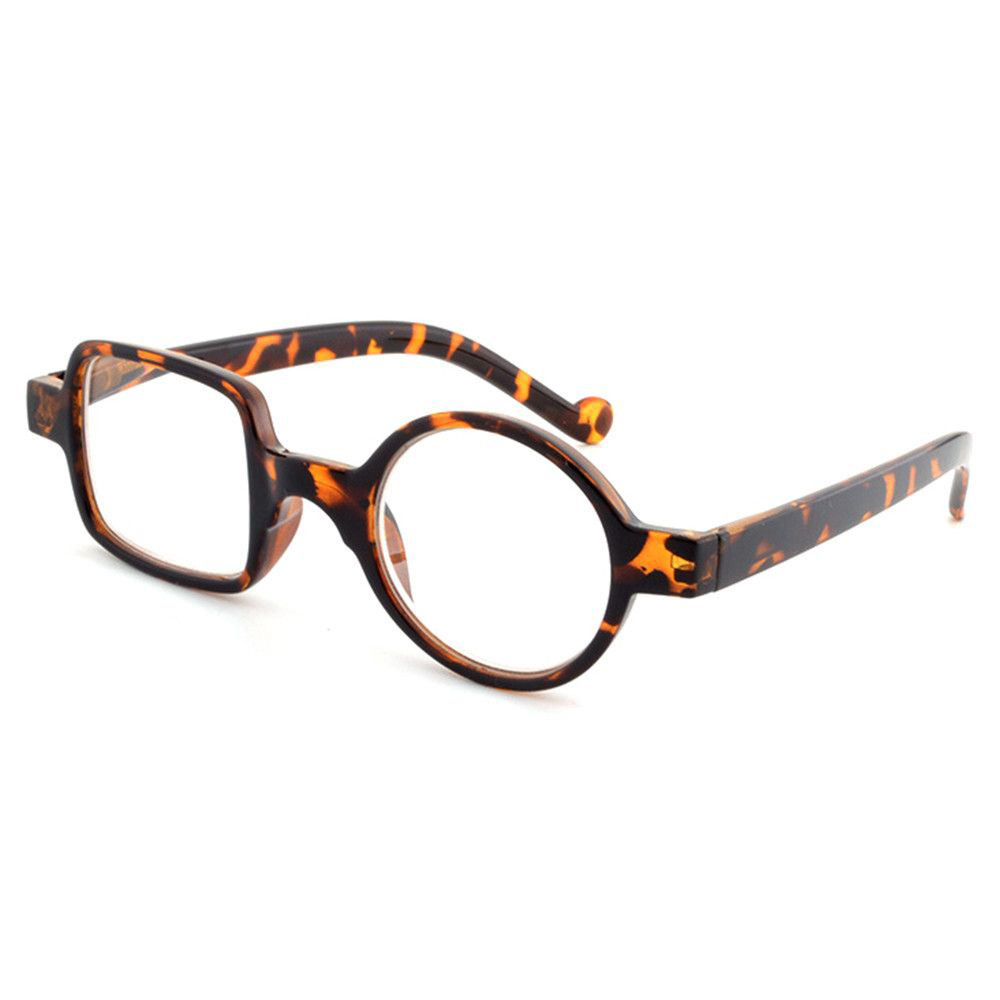
All this tinkering and fine-tuning meant many long hours staring at a computer screen and tiny prints. My eyes started to feel strained, and I knew I needed a solution. That’s when I stumbled upon homepage. I recently found a pair of reading glasses at Mozaer that have made a huge difference. They’re called Irregular Square Round Frame Reading Glasses. I wear the +100 strength.
I was drawn to the unique design – the irregular square-round frame is stylish and modern. But more importantly, the high-definition lenses provide crystal-clear vision. The presbyopia eyewear design is perfect for close-up work, and I've noticed a significant reduction in eye strain since I started wearing them. I can now focus on the intricate details of my miniature prints without discomfort.
It's not just about the functionality, though. I also appreciate the aesthetic appeal of these glasses. They're lightweight and comfortable to wear for extended periods. Plus, the leopard print adds a touch of personality to my look. These glasses from Mozaer have truly made a difference in my comfort during long printing sessions.
Here are some practical tips I've learned along the way: