Have you ever caught yourself squinting, leaning in closer, and still struggling to make out individual letters or tiny symbols on a detailed project? I know I have! For the longest time, I felt like I was constantly at war with small print, especially when working on craft projects that demand sharp vision. It was incredibly frustrating, turning what should have been a relaxing hobby into an eye-straining ordeal. If you've ever felt that burning sensation behind your eyes or the sheer confusion of telling a 'c' from an 'e', then you understand exactly what I mean. I tried everything—from fancy light boards to my strongest reading glasses—but sometimes, it just wasn't enough. After plenty of trial and error, I've gathered some tips and tools that genuinely changed my crafting experience, and I'm excited to share them with you.
My love for intricate crafts often leads me to projects packed with incredibly fine details. Recently, I picked up a new paint-by-number kit, eager to get started. But as soon as I unrolled the canvas, a familiar wave of dread washed over me. The symbols were absolutely tiny! I already owned a light board, thinking it would solve all my problems. I even wore my prescription reading glasses and kept a powerful handheld magnifier close by. Yet, despite all these aids, I still found myself locked in a constant struggle. The symbols 'c', 'd', '8', and 'g' looked nearly identical, blurring into an indistinguishable jumble.
There were moments I'd stare at a section, convinced a specific symbol wasn't even there, only to realize later—with great effort—that it was indeed a 'D' hiding in plain sight. It wasn't just my eyesight; it felt like the design itself was working against me. The frustration kept building, and I knew I had to find better ways to handle this issue before I gave up on my beloved projects for good.
Determined not to let tiny letters get the best of me, I set out on a mission to find truly effective solutions. I experimented with a few different approaches, and here's what I learned:
One of the first things I tried was a suggestion from a fellow crafter: "Just grab some cheap reading glasses!" So, I headed to a dollar store and picked up a few pairs with different magnification levels. My thinking was simple: my eyes aren't getting any younger, and sometimes you just need an extra boost. While these dollar-store glasses offered a slight improvement over my regular prescription readers for close-up work, they weren't a magic fix. They helped, but the real challenge of telling those super-similar 'c's and '8's apart remained.
Next, I came across something that truly started to make a difference: a headset magnifier. I found one specifically designed for close-up work, and it quickly became a staple in my toolkit. The model I got, similar to the YOCTOSUN Headset Magnifier Glass, came with built-in LED lights, a comfortable head strap, and multiple detachable lenses offering magnification from 0.75X to 4.0X. This was a game-changer for me. Having the magnification right in front of my eyes, combined with dedicated lighting, allowed me to see details I hadn't even noticed before. It was especially helpful for my paint-by-numbers, making those tiny symbols stand out clearly.
Beyond just tools, I learned a clever strategy for dealing with those confusing, similar-looking symbols. Instead of trying to identify each one as I went along, I adopted a batching method. I would go through an entire section and first fill in all the 'c's, 'd's, and '8's. Then, I'd move on to the 'g's last. I found that by isolating the most ambiguous shapes, any mistakes or "odd" shapes would stand out much more clearly. It took a lot of the guesswork out of the process and made everything much less frustrating.
This was a simple but incredibly effective hack! When I was really stuck on a tiny cluster of symbols, I would grab my phone, take a picture of the area, and then zoom in on the photo with my fingers. The digital magnification on my phone screen was often enough to clearly distinguish between symbols that looked identical on the physical canvas. It's a quick, free solution that uses technology you already have on hand.
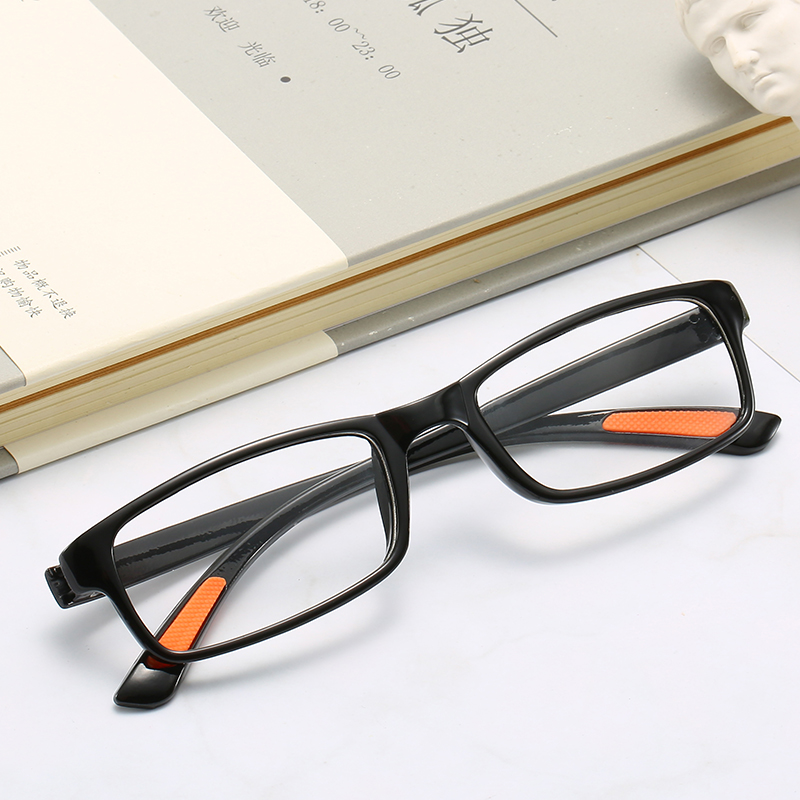
While the headset magnifier was fantastic for long crafting sessions, I still wanted a comfortable, stylish, and effective pair of reading glasses for everyday use—something I could wear comfortably for shorter tasks or general reading that required a little boost. After much searching, I discovered the TR90 Ultralight Full Frame Reading Glasses. I chose a sleek black pair with +1.50 magnification, which felt just right for me. What I loved immediately was how incredibly lightweight they were; I often forgot I was even wearing them. They have a flexible design, which means they don't dig into my temples or nose, making them super comfortable for extended wear.
These TR90 glasses from Mozaer really hit the sweet spot for me. They offered excellent clarity without being bulky, and I could easily switch between them and my headset magnifier depending on how intense the project was. If you're looking for a blend of style, comfort, and effective magnification for seeing individual letters and small print, I highly recommend checking out quality options like the TR90 Ultralight Full Frame Reading Glasses. They've made a noticeable difference in my daily life, not just my crafting. For a broader selection of vision aids and accessories, I often visit the Mozaer homepage to see what new products they have available that might enhance my visual experience and help keep my eyes happy.