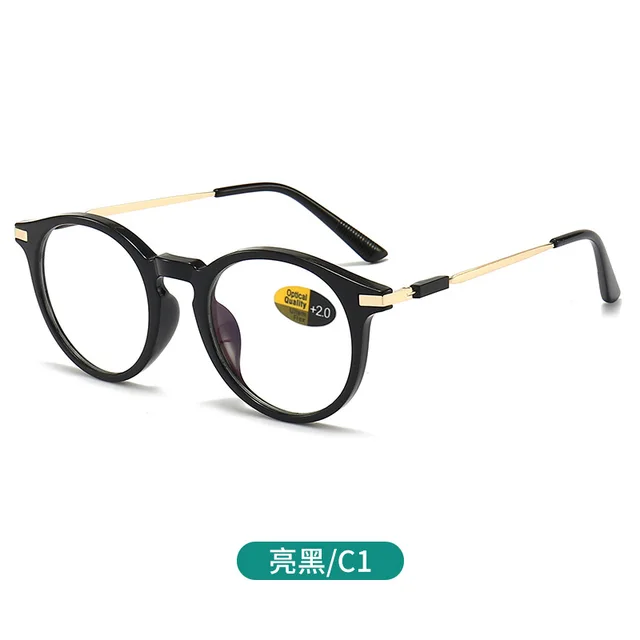
I understand the temptation. We all want to save money, find a quick solution, and sometimes online shopping feels like a gamble. When it came to finding the best reader sunglasses, I fell into every single trap. I made these mistakes so you don't have to. Learn from my errors and choose a pair that genuinely works for you.
Selecting the right reading glasses, particularly those with sun protection and anti-blue light features, is more crucial than it seems. It impacts your eye comfort, your ability to read outdoors, and even your personal style. My poor choices left me squinting, frustrated, and with glasses that broke far too quickly. But you can avoid the same fate!
My first major error was always hunting for the absolute lowest price. I thought, "How different can they really be?" That was a huge mistake. Extremely cheap glasses often feel flimsy, look unappealing, and provide minimal help for your eyes. They tend to scratch easily, and the arms can snap off with little use.
I spotted glasses online for just a few dollars and bought them immediately. When they arrived, the lenses were blurry, the frame felt like thin, brittle plastic, and they were uncomfortable to wear for more than a few minutes. I ended up needing to replace them quickly, which cost me more money in the long run.
Verdict: Don't repeat my error. Cheap reading sunglasses rarely offer real value. Consider the long-term cost of frequently replacing poorly made items.
During my purchases, I didn't pay attention to what defines good glasses. I only looked at the price and the basic style. I overlooked critical aspects like frame material, hinge quality, or whether the lenses had special coatings like anti-glare or anti-blue light. This is a common oversight.
I should have looked for features like a sturdy full frame, genuine anti-blue light protection (especially for reading on phones or tablets), and clear optics. Instead, I ended up with glasses that had loose arms and lenses that seemed to distort my vision rather than clarify it.
Verdict: Learn from my experience. Always check for signs of quality. Examine the materials, hinge design, and lens features. These elements are vital for comfort and longevity.
Sometimes I would glance at reviews, but I never dug deep. Seeing a few positive comments, I'd think, "Okay, that's good enough." This was a significant error. Authentic user feedback reveals everything you need to know before buying.
A terrible experience with an optical store made me rethink my approach to choosing eyewear. One reviewer noted, "This optical store used to be very customer service oriented and professional... but sadly when they closed that store and having no other way to go to their market street location I didn't not have any good experience with the staff their...save your money and go to other store's for better service and adjustment with your glasses." This shows how quickly things can go wrong if you don't check recent, detailed feedback. I learned the hard way that poor service and bad adjustments can ruin even a potentially good product.
Verdict: Always read customer reviews carefully. Look for consistent complaints about quality, service, or comfort. Don't just skim; read the details thoroughly.
Oh, those glossy advertisements! They make every pair of sunglasses look incredible. I often bought glasses based solely on how they appeared in a perfect, professional photo, without considering whether they would actually suit me or be practical.
What I saw online frequently didn't match what arrived. The colors were off, the size was incorrect, or they felt cheap compared to the robust look in the advertisement. An ad won't tell you if the anti-blue light coating is effective or if the frame pinches your nose.
Verdict: Don't trust advertisements alone. They are designed to sell, not always to reflect reality. Compare promotional images with photos from real users whenever possible to get a better sense of the actual product.